
Being involved in a car accident is stressful enough without having to navigate insurance claims, repair quotes and paperwork. If you’ve never made a claim before, understanding the car insurance repair process can make the experience much easier.
From reporting the accident to collecting your repaired vehicle, there are several important steps involved. Knowing what to expect can help you avoid unnecessary delays, understand your rights and make informed decisions about your repairs.
If you need assistance with a car insurance repair in Melbourne, here’s how the process typically works.
Step 1: Make Sure Everyone Is Safe and Document the Accident
Before thinking about repairs, make sure everyone involved is safe. If anyone is injured, call emergency services.
Once it’s safe to do so, collect the information you’ll need for your insurance claim:
- Names and contact details of the drivers involved
- Vehicle registration numbers
- Insurance details, where available
- Photos of the accident scene and vehicle damage
- Contact details of any witnesses
- Date, time and location of the accident
Even minor collisions can cause damage beneath the vehicle’s exterior. If you’re unsure whether your car is safe to drive, arrange an assessment or towing rather than taking unnecessary risks.
Step 2: Contact Your Insurance Company
The next step is to notify your insurer and lodge a claim.
Your insurer will generally ask for details about the accident, photographs of the damage and information about the other driver.
You’ll usually receive a claim number, which is used to track your claim throughout the repair process.
Depending on your policy, your insurer may also explain:
- Whether your repairs are covered
- Whether an excess applies
- Your options for choosing a repairer
- Whether towing or a replacement vehicle is included
- What happens during the assessment process
It’s worth reviewing your Product Disclosure Statement (PDS) so you understand exactly what your policy covers.
Step 3: Choose Your Repairer
One of the most common questions Melbourne drivers ask is whether they can choose their own repairer.
The answer depends on your insurance policy. Some policies allow you to nominate your preferred repairer, while others require you to use an insurer-approved repair network or offer different conditions for your choice.
Before booking, check your policy’s repairer selection provisions.
Choosing an experienced panel beater in Melbourne is important because quality accident repairs involve more than simply restoring your vehicle’s appearance.
A professional workshop can inspect the damage, identify potential safety concerns and explain the repairs required.
Step 4: Vehicle Inspection and Damage Assessment
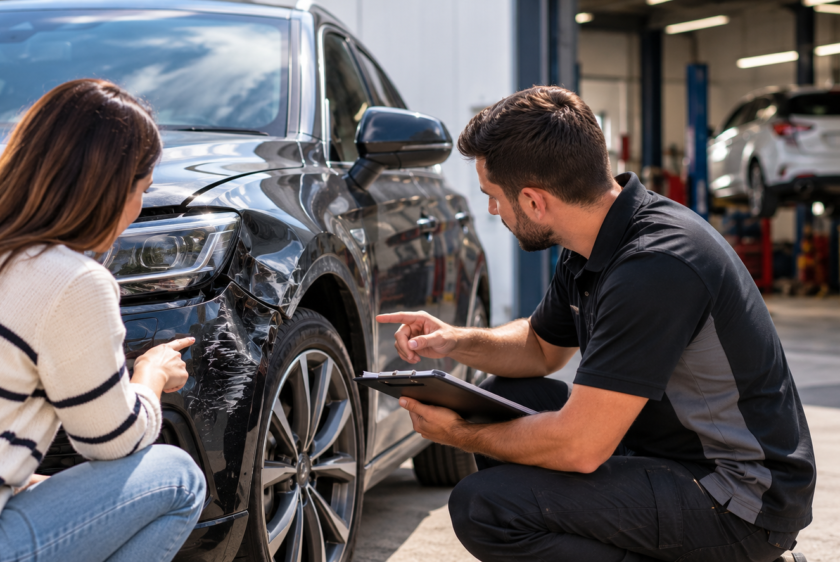
Once your claim is underway, your vehicle will need to be assessed.
During this stage, the repairer examines the visible damage and prepares a repair estimate. Depending on the accident, this may involve:
- Assessing damaged panels and bumpers
- Checking for hidden impact damage
- Identifying parts that need replacement
- Reviewing paint and refinishing requirements
- Checking relevant safety components
For minor cosmetic damage, dent repair may be sufficient. More significant accidents may require structural repairs, replacement panels or extensive refinishing.
Your insurer may review the estimate before authorising covered repairs. Additional damage discovered during dismantling may require a supplementary assessment.
Step 5: What Happens If You’re Not at Fault?
If another driver caused the accident, the claims process may be different.
Depending on your circumstances, you may be able to claim through your own comprehensive insurance or pursue recovery from the responsible driver or their insurer.
At Bridge Road Body Works, drivers can also enquire about assistance with not-at-fault claims.
Depending on liability, the available evidence and the applicable arrangements, you may be entitled to recover reasonable repair costs and certain associated expenses.
However, being not at fault doesn’t automatically mean every cost will be covered or that you’ll never need to pay an excess. Always confirm your circumstances with your insurer or claims provider.
Step 6: Your Vehicle Repairs Begin
Once the required approvals are received and parts are available, the workshop can begin repairing your vehicle.
Depending on the damage, this may involve panel beating, replacement parts, paint preparation, colour matching and refinishing.
For larger accidents, technicians may also need to inspect and repair structural components and address affected vehicle safety systems.
Professional smash repairs in Melbourne aim to restore your vehicle’s safety, appearance and functionality using appropriate repair methods.
The repairer should also keep you informed of any significant changes to the estimated completion date.
Step 7: Final Quality Checks and Vehicle Collection
Before your vehicle is returned, the workshop should complete relevant quality checks.
These may include inspecting panel alignment, paint finish, repaired components and any systems affected by the accident.
Once repairs are completed, you’ll be contacted to arrange collection.
Before leaving, take a moment to inspect the repaired areas, ask about any repair warranty and confirm whether an excess or other payment is outstanding.
How Long Do Insurance Repairs Take?
There isn’t a fixed timeframe for insurance repairs.
A minor bumper or panel repair may take only a few working days once approved, while more extensive accident damage can take several weeks or longer.
Factors affecting turnaround times include:
- Insurance assessment and approval
- Severity of vehicle damage
- Availability of replacement parts
- Additional damage discovered during repairs
- Workshop scheduling and repair complexity
The best approach is to ask your repairer for an estimated timeframe and request updates if anything changes.
Related Articles
Want to understand more about vehicle repairs before booking? Explore these helpful topics on the Bridge Road Body Works blog:
- What’s Involved in a Complete Smash Repair? Step-by-Step Process Explained – Understand what happens during professional collision repairs.
- How Long Do Car Repairs Take? – Learn what affects repair times and workshop turnaround.
- Car Insurance Excess Explained – Understand how excess payments can affect accident repair claims.
- Common Car Damage After Minor Accidents – Discover why even low-speed collisions can cause more damage than expected.
- How to Choose a Panel Beater – Learn what to look for when selecting a professional repair workshop.
Need Help With an Insurance Repair in Melbourne?
Dealing with an accident is stressful enough. Finding a reliable repairer and understanding the insurance process shouldn’t make it harder.
At Bridge Road Body Works, our experienced Richmond team provides professional accident repairs, panel beating, dent removal and paint refinishing for Melbourne motorists.
Whether you’ve recently been involved in a collision, need an assessment for an insurance claim or want advice about your repair options, we’re here to help you understand the next steps and get your vehicle back on the road.
Contact Bridge Road Body Works today to discuss your insurance repair, arrange a vehicle assessment or request a quote. Let our experienced team take care of your vehicle while you focus on getting back to normal.